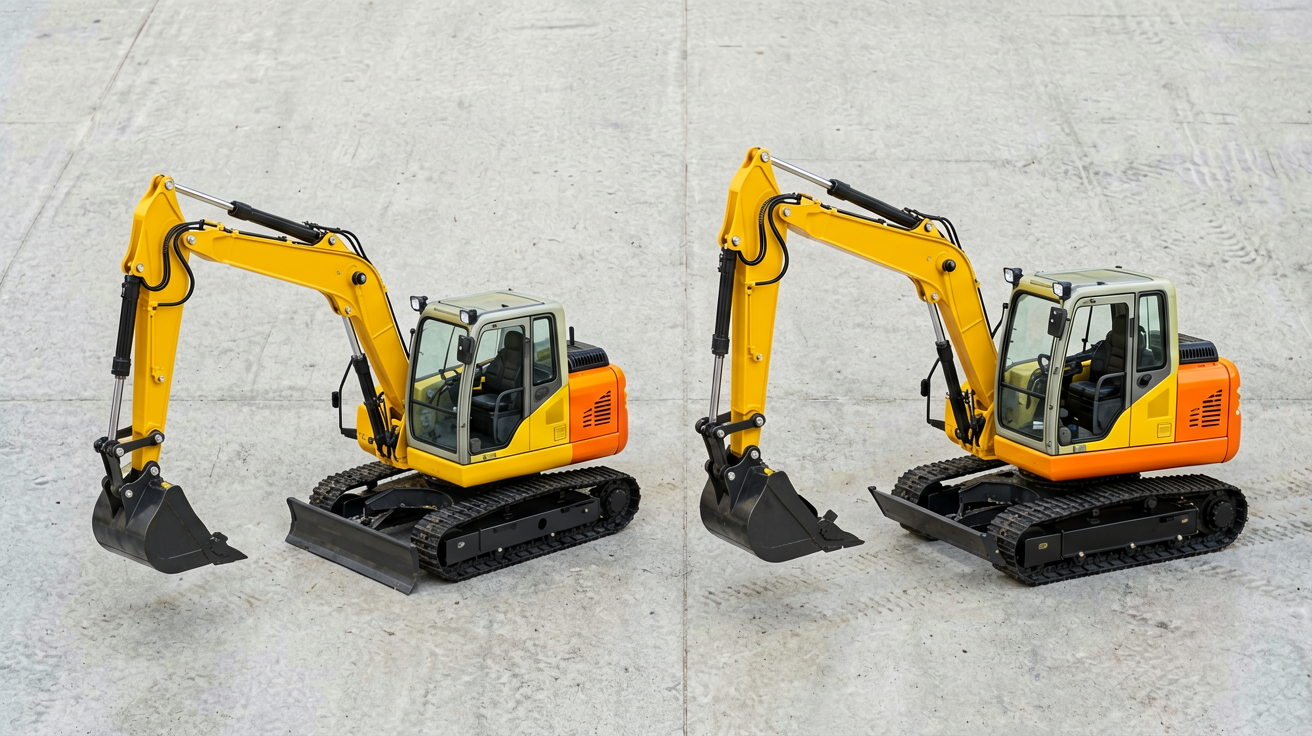
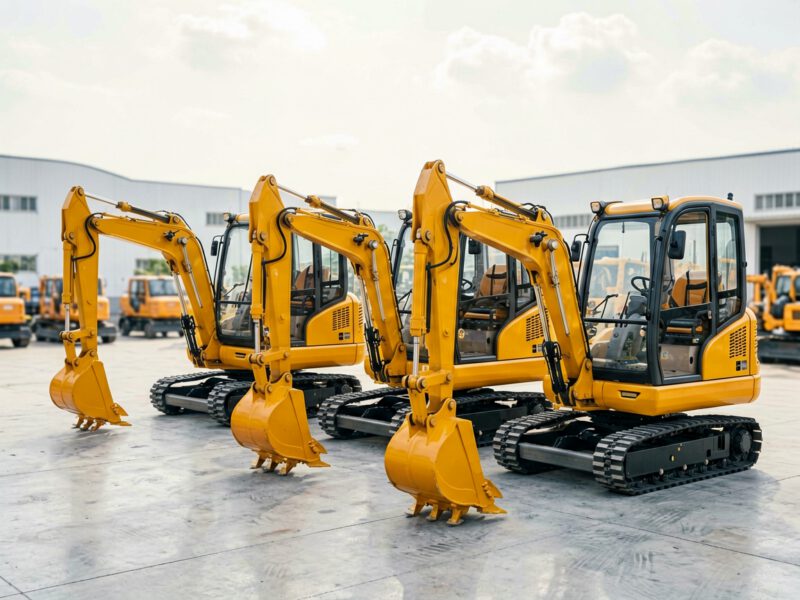
Both machines make money—but on different tasks. Choosing the wrong tool forces operators to fight the equipment instead of finishing the job. This mini excavator vs skid steer guide is written for owners who care about billable hours, not brochure specs alone.
Where a mini excavator wins
- Below-grade digging and trenching
- Working over obstacles with boom and stick geometry
- Precise spoil placement beside a trench
- Gated yards, indoor access, and zero-tail work near walls
- Foundation footings and utility corridors
Where a skid steer wins
- Material moving and load-out cycles
- Surface grading and site cleanup
- Fast tool swapping for multipurpose surface work
- Open lots where turning space is not constrained
Cost and utilization reality check
A mini excavator usually wins when more than half of paid hours are digging. A skid steer usually wins when most hours are carrying, grading, or attachment-swapping on the surface. Growing contractors often own both: excavator for production trenches, skid steer for finish and material handling.
Decision checklist
| If your week looks like… | Start with… |
|---|---|
| Drainage, footings, pipe trenches | Mini excavator |
| Mulch, gravel, demo haul-off | Skid steer |
| Landscaping mix of dig + move | 1–1.8t excavator + trailer plan |
| Rental demand is “dig weekend jobs” | Compact excavator inventory |
Bottom line
Do not buy based on brand envy. Buy based on the work that invoices every week. Explore compact excavator models or talk to sales about a fleet mix for your market.