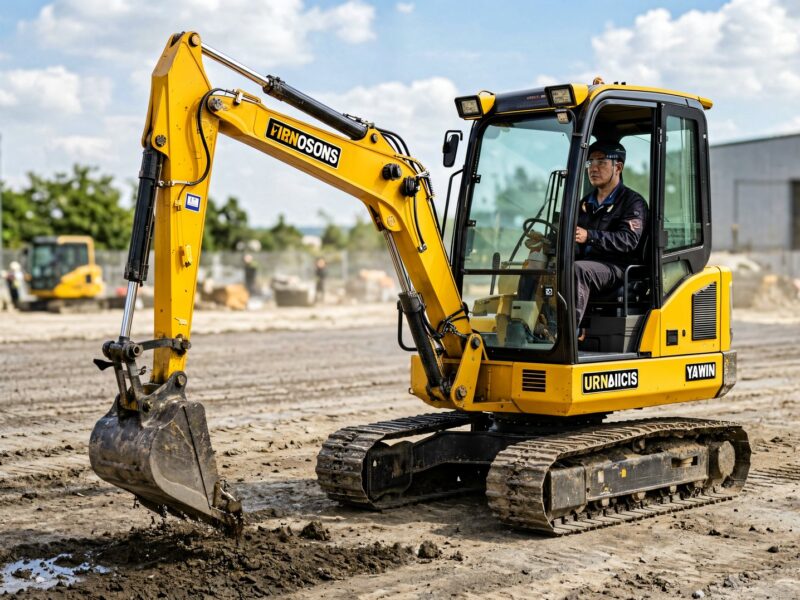
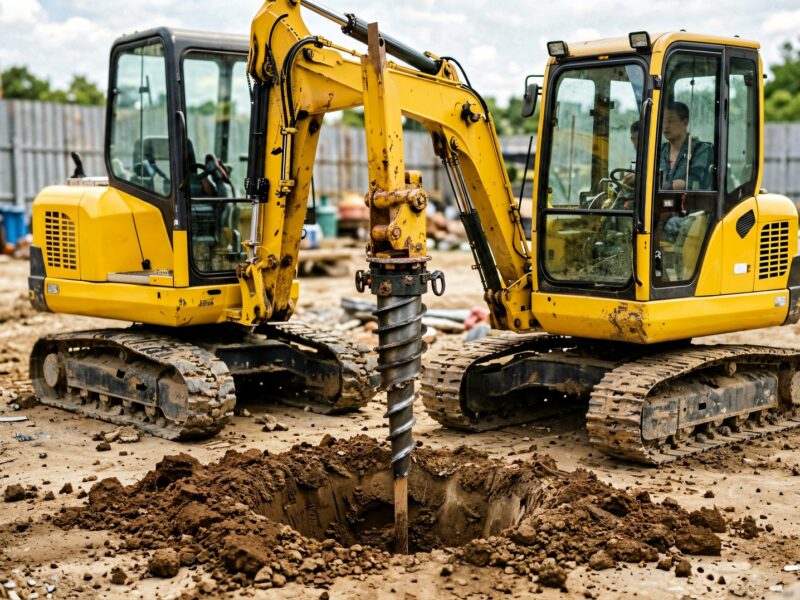
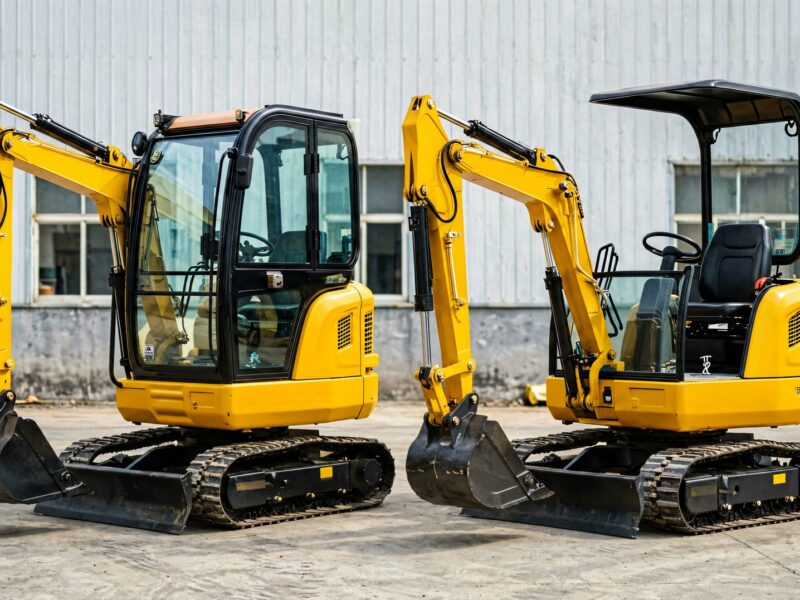
Bucket choice changes how a mini excavator performs more than any other attachment. A digging bucket moves the most dirt, a trenching bucket cuts clean narrow trenches, a grading bucket smooths, and a ditch bucket cleans culverts and swales. Pick the bucket matched to your machine’s capacity and your job.
Here is the practical guide to mini excavator buckets.
Bucket types and their jobs
| Bucket type | Best for |
|---|---|
| Digging (standard) | General excavation, dirt moving |
| Trenching (narrow) | Pipes, cables, utilities |
| Grading / leveling | Smoothing, backfilling, spreading |
| Ditch cleaning | Sloped ditches, culverts |
| Skeleton / rock | Screening dirt, handling rock |
| Heavy-duty | Rock, demolition, abrasive materials |
Matching bucket size to machine
Bucket capacity is matched to the machine’s lifting and breakout force:
| Machine | Typical bucket capacity |
|---|---|
| 1.0 ton micro | 0.02–0.04 m³ |
| 1.8 ton | 0.04–0.06 m³ |
| 2.5 ton | 0.06–0.09 m³ |
| 3.5 ton compact | 0.09–0.14 m³ |
Using an oversized bucket strains the machine, damages components, and slows cycles; an undersized bucket wastes time.
Width matters
Bucket width should match the job:
- Trenches: match the pipe/utility width plus a little clearance
- General digging: roughly 2–3x the machine’s track width
- Grading: a wide, flared bucket covers more ground per pass
Construction tips
- Bolt-on vs weld-on edges: bolt-on edges are replaceable and cheaper to service
- Teeth: standard teeth improve penetration; bolt-on teeth wear and replace easily
- Quick couplers: let you switch buckets in minutes — worthwhile if you change attachments often
- Sticky soil: a smooth interior and optional release agent reduce clay sticking
Bucket selection by job type
| Job | Recommended bucket |
|---|---|
| Foundations & footings | Standard digging, 2–3x track width |
| Utility trenching | Narrow trenching, 200–400 mm |
| Swimming pools | Wide digging bucket, 3x track width |
| Grading driveways | Wide grading bucket with bolt-on edge |
| Demolition debris | Heavy-duty bucket, reinforced sides |
| Landscaping finish | Smooth-edge grading bucket |
Matching the bucket to the task and the machine’s digging specs keeps cycles fast and prevents component strain.
Wear and replacement
Bucket wear concentrates on the cutting edge, sides, and teeth. Replace teeth at 30–50 percent wear, and rebuild the cutting edge before it wears into the bucket shell. Add undercarriage maintenance to your wear-part routine.
FAQ
How many buckets should I buy with a mini excavator?
Two is the practical minimum: a general digging bucket and a trenching bucket. Add a grading bucket if you do finishing work.
Can I use a bigger bucket on my mini excavator?
Only within the machine’s rated capacity. Oversized buckets reduce breakout force, strain hydraulics, and can damage the machine.
Are bucket teeth necessary?
For penetrating soil and digging in packed ground, yes — teeth dramatically improve digging speed. For grading and light work, a smooth edge is fine.
Build your machine around the jobs you do. Compare CYD excavator specs and ask about bucket packages.